
Welcome to My Blog!
Before we dive into the content, I’d love for you to join me on my social media platforms where I share more insights, engage with the community, and post updates. Here’s how you can connect with me:
Facebook:https://www.facebook.com/profile.php?id=100089777406761
Now, let’s get started on our journey together. I hope you find the content here insightful, engaging, and valuable.
Table of Contents
Introduction
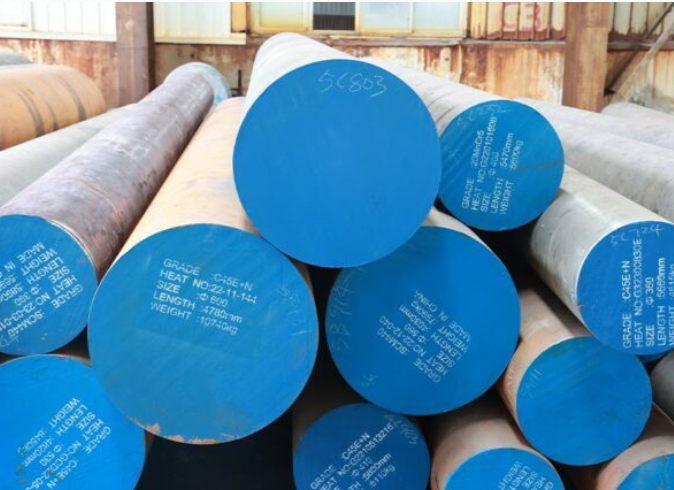
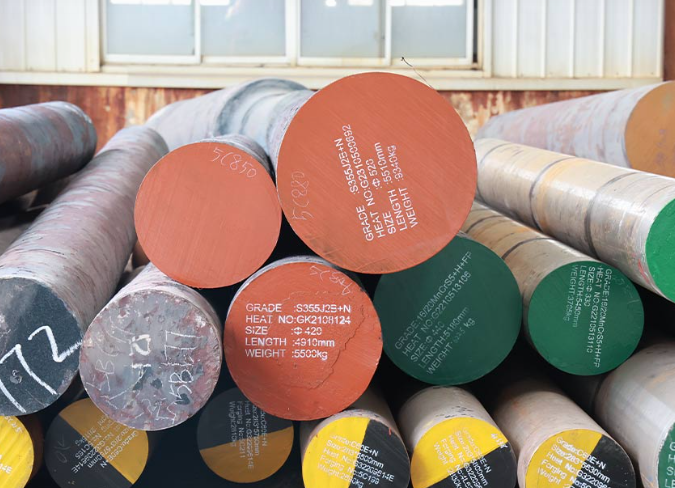
Stainless steels 304 are one of the most widely used materials across various industries due to their remarkable properties. Renowned for their excellent resistance to corrosion, high durability, and attractive finish, they are the go-to choice in applications ranging from kitchen equipment to structural components. Their versatility makes them ideal for a broad range of environments, from food processing to architectural designs.
However, despite their many advantages, improper handling or a lack of understanding about how to work with this material can result in costly errors. Whether it’s the wrong cleaning method, unsuitable fabrication practices, or inadequate maintenance, these mistakes can affect the performance and longevity of the material. This article will delve into five common pitfalls when working with stainless steels 304 and offer practical tips on how to avoid them, ensuring you get the most out of this highly effective material.
Understanding Stainless Steels 304 and Their Importance
Stainless steels 304 are part of the austenitic family of stainless steels, which are distinguished by their high chromium and nickel content. These elements enhance the material’s ability to resist corrosion and contribute to its overall strength, making it highly suitable for a wide range of applications. From construction and manufacturing to food processing and medical equipment, this alloy is prized for its durability and resistance to harsh environments.
However, despite its many advantages, stainless steels 304 require careful handling, storage, and maintenance to perform at their best. Improper treatment, such as exposure to extreme temperatures, improper welding, or failure to maintain its surface finish, can lead to a decline in its overall performance. Such mistakes not only reduce the material’s effectiveness but can also result in increased costs and operational challenges. By understanding the proper care and use of this versatile material, you can avoid these issues and ensure its longevity and optimal function.
Mistake 1: Using Improper Cleaning Techniques
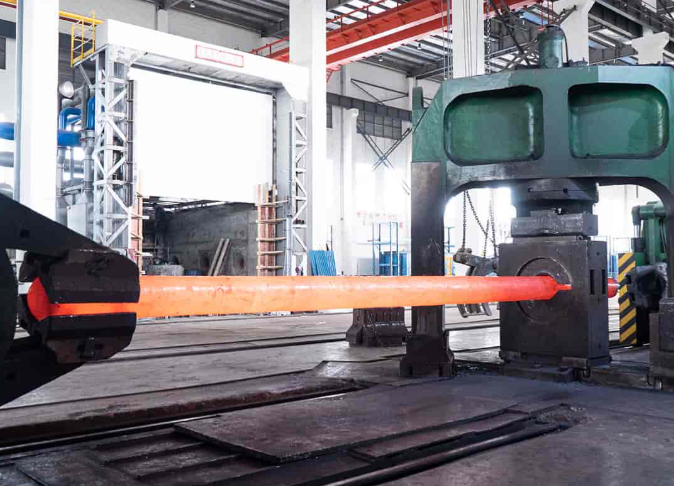
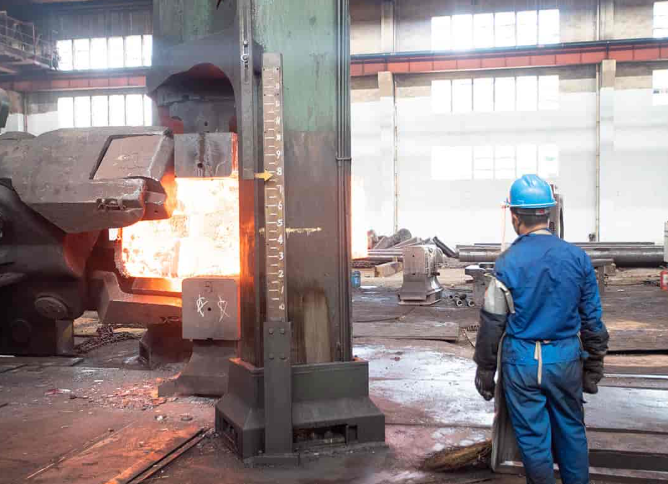
One common mistake when working with stainless steels 304 is the use of abrasive or harsh cleaning agents that can cause lasting damage to the surface. Scrubbing with rough brushes, steel wool, or using strong chemical cleaners may seem like effective ways to clean the material, but they can actually result in scratches or surface discoloration. Over time, these abrasions can degrade the stainless steel’s protective oxide layer, making it more susceptible to corrosion, staining, or contamination. Not only does this compromise the material’s appearance, but it can also reduce its performance, particularly in environments where hygiene and corrosion resistance are critical.
Correct Approach:
- Use non-abrasive cleaning tools: Always opt for soft cloths, microfiber towels, or gentle sponges that won’t scratch or damage the surface of stainless steels 304. These materials are effective in lifting dirt and grime without compromising the smoothness or integrity of the finish. Avoid using abrasive scrubbers like steel wool or rough brushes, which can leave visible marks that are difficult to remove.
- Choose mild, pH-neutral detergents or specialized cleaners: When cleaning, it’s important to select detergents that are both gentle and effective. Mild, pH-neutral solutions are ideal because they clean the surface without causing harm to the material’s natural finish. For added protection, there are specially formulated cleaners designed specifically for stainless steel, which help maintain its shine and preserve its corrosion-resistant properties.
- Rinse thoroughly with clean water: After cleaning, it’s crucial to thoroughly rinse the stainless steel surface with warm, clean water to remove any remaining detergent or cleaning residues. Residual cleaning agents can cause staining or corrosion over time, especially if left on the surface for prolonged periods. Using clean water ensures that no harmful chemicals or particles remain, keeping the stainless steel free from potential contaminants.
By following these correct cleaning practices, you can preserve the appearance and longevity of stainless steels 304, ensuring that they maintain their aesthetic and functional qualities for years to come. This careful approach reduces the risk of damage, helps maintain their resistance to corrosion, and prolongs the material’s overall service life.
Mistake 2: Selecting the Wrong Grade for Your Application
Not all stainless steels are created equal, and choosing the wrong grade for a specific application is a common and costly oversight. While stainless steel 304 is renowned for its versatility, it does have its limitations. It is one of the most widely used stainless steel grades due to its excellent balance of strength, corrosion resistance, and formability, making it suitable for a variety of applications in food processing, pharmaceuticals, and general engineering. However, 304 may not be the ideal choice for environments where materials are exposed to highly acidic or chloride-rich conditions.
In such environments, like those found in chemical processing plants, marine applications, or areas with frequent exposure to saltwater, stainless steel 304 can suffer from pitting and crevice corrosion. This is due to its relatively low resistance to chloride-induced stress corrosion cracking. For these types of conditions, stainless steel grades such as 316, which contains molybdenum to enhance its resistance to corrosion, are often recommended. This makes 316 a better choice for harsh environments that require both durability and resistance to aggressive substances.
Choosing the right stainless steel grade is essential to ensuring long-term performance and minimizing maintenance costs. It’s important to evaluate not just the mechanical properties of the material but also the specific environmental conditions it will be exposed to.
| Comparison of Stainless Steel Grades | 304 | 316 |
|---|---|---|
| Corrosion Resistance | Excellent | Superior |
| Cost | Moderate | Higher |
| Ideal Applications | General use, food processing | Marine environments, chemical plants |
Tip
Before choosing stainless steels 304 for a project, it’s crucial to assess the environment in which the material will be used, particularly regarding potential exposure to corrosive agents. Stainless steels 304 are highly resistant to corrosion in many environments, but they are not immune to all forms of chemical attack. For example, environments with high chloride concentrations, such as marine or de-icing conditions, can significantly reduce the corrosion resistance of this material, leading to pitting or crevice corrosion over time.
Consider factors such as:
- Humidity levels: High humidity can contribute to the development of rust or surface staining, especially in areas where ventilation is poor.
- Exposure to chemicals: Industrial environments where acids, alkalis, or solvents are present may require more specialized alloys, such as stainless steels 316, which offer superior resistance to such chemicals.
- Temperature extremes: Both extremely high and low temperatures can affect the mechanical properties of stainless steels 304, making them more susceptible to cracking or weakening over time.
By thoroughly understanding the conditions your stainless steel components will face, you can make an informed decision on whether 304 is the right choice or if a more specialized grade would better meet your needs. This preemptive evaluation ensures the material’s longevity, prevents early failures, and reduces the risk of costly repairs or replacements down the line.
Mistake 3: Overlooking Proper Fabrication Techniques
Fabrication errors, such as improper welding or incorrect forming, can significantly compromise the structural integrity of stainless steels 304. Even minor mistakes during these processes can introduce weaknesses, cause discoloration, or negatively affect the material’s performance. Since stainless steels 304 are particularly sensitive to heat and stress, it is essential to follow precise techniques to avoid problems that could lead to early material failure, reduced corrosion resistance, or aesthetic defects.
Recommended Practices:
- Use the right welding fillers and techniques: Stainless steels 304 require specialized welding fillers that are compatible with the alloy’s composition. Employing the correct filler material ensures strong, consistent welds that maintain the integrity of the base metal. Additionally, choose welding methods that minimize heat distortion and maintain the properties of the material, such as TIG (Tungsten Inert Gas) welding for precision work.
- Avoid overheating: Overheating during the welding or forming process can cause carbide precipitation, which reduces the material’s corrosion resistance. When exposed to excessive heat, stainless steels 304 can suffer from intergranular corrosion, a form of localized corrosion that can be difficult to repair. Controlling the heat input and maintaining a suitable temperature range during fabrication is essential for preserving the material’s strength and durability.
- Hire skilled professionals: Stainless steels 304 require careful handling during fabrication, and the expertise of skilled professionals is vital. Experienced fabricators understand the unique properties of this alloy and can apply techniques that prevent distortion, minimize surface damage, and ensure the finished product meets the required specifications. Additionally, trained professionals can identify and correct potential issues before they become significant problems, helping to avoid costly rework.
By adhering to these recommended practices, you can ensure that your stainless steels 304 retain their structural integrity, appearance, and performance over time. Proper fabrication not only prevents material damage but also contributes to the overall longevity and functionality of your stainless steel components.
Mistake 4: Neglecting Surface Finishes
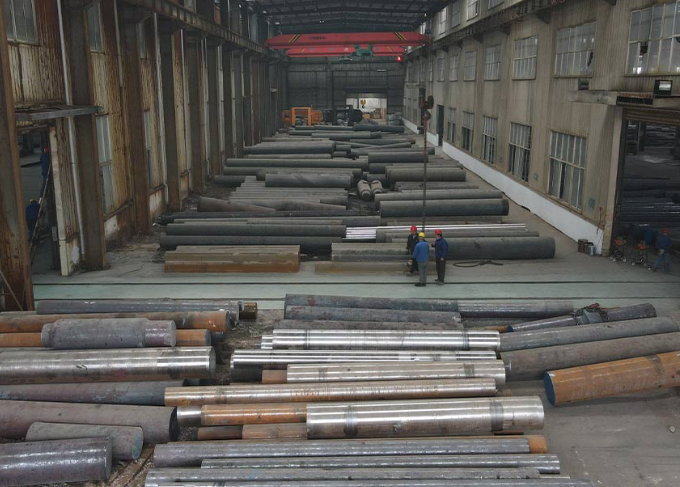
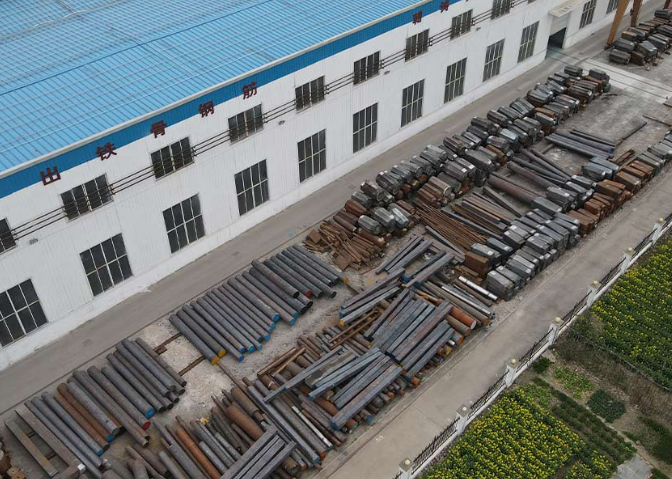
The surface finish of stainless steels 304 is not only crucial for its aesthetic appeal but also plays a significant role in its long-term corrosion resistance and overall performance. A well-maintained surface finish creates a smooth, reflective surface that minimizes the accumulation of dirt, moisture, and other corrosive agents. Neglecting the condition of the surface can lead to tarnishing, the development of rough patches, or even the deterioration of the material’s protective properties, resulting in reduced performance over time.
Best Practices for Surface Finishes:
- Opt for polished finishes: Choosing a polished or mirror finish can enhance the visual appeal of stainless steels 304, making them ideal for applications where aesthetics are important, such as in kitchenware, architectural facades, or decorative components. Polished finishes also make it easier to clean, as smooth surfaces prevent contaminants from adhering. This contributes to better hygiene and easier maintenance, especially in industries like food processing and healthcare, where cleanliness is critical.
- Regular inspection and maintenance: Regularly inspecting the surface finish of stainless steels 304 ensures that any early signs of wear, tarnishing, or discoloration are promptly addressed. Performing routine cleaning with mild detergents and non-abrasive tools can prevent the buildup of dirt or chemicals that could damage the finish. Additionally, periodic maintenance such as re-polishing or applying protective coatings can extend the lifespan of the material and help it retain its aesthetic qualities and protective barrier against corrosion.
Maintaining an optimal surface finish is essential for ensuring that stainless steels 304 perform to their highest standards, both functionally and visually. By following these best practices, you can preserve the material’s sleek appearance and extend its service life, ultimately saving on repair or replacement costs.
Mistake 5: Improper Storage and Handling
Exposure to improper conditions during storage or handling can lead to contamination, corrosion, or physical damage to stainless steels 304. This is particularly concerning for long-term projects where the material might remain unused for extended periods before being incorporated into the final application. Even small amounts of moisture or dirt can negatively impact the surface finish, leading to potential long-term performance issues.
Key Storage Tips:
- Keep in a dry, covered area: Always store stainless steels 304 in a clean, dry environment that is protected from excessive moisture and airborne contaminants. Moisture can lead to rusting or tarnishing, while dust and dirt can affect the material’s finish.
- Avoid heavy stacking: When storing stainless steel sheets or components, refrain from stacking heavy items directly on top of them. The pressure can cause deformation or scratches, which can compromise both the aesthetic and functional quality of the material.
- Use protective coverings: During transportation or storage, use protective coverings such as plastic sheeting or breathable fabric. These coverings shield the material from external contaminants, dust, and potential scratches, helping to preserve the surface and prevent damage during handling.
By following these storage guidelines, you can ensure that stainless steels 304 remain in optimal condition, ready for use when needed, without unnecessary deterioration. Proper storage not only prevents immediate damage but also protects the material from long-term issues that could affect performance and longevity.
Conclusion
Avoiding these costly mistakes is essential to unlocking the full potential of stainless steels 304. Proper care and attention to detail can significantly extend the material’s lifespan while maintaining its excellent properties. Whether it’s ensuring you use the right cleaning methods, selecting the most appropriate grade for your specific application, or applying the proper fabrication techniques, each step plays a vital role in preserving the integrity of the material. Additionally, maintaining its surface finish and following correct storage practices are crucial in preventing long-term damage, such as corrosion or contamination.
By being mindful of these factors and avoiding common pitfalls, you can avoid unnecessary costs and operational downtime. Moreover, adopting best practices not only ensures optimal performance but also leads to more efficient use of resources, saving both time and money in the long run. Making informed decisions about how you handle and maintain stainless steels 304 ultimately helps you get the most value from your investment, ensuring the material performs reliably and consistently across its intended applications.
FAQ
Q1: What makes stainless steels 304 unique compared to other grades?
Stainless steel 304 is highly regarded for its excellent corrosion resistance, ease of fabrication, and versatility, making it ideal for a wide range of applications. It’s commonly used in kitchenware, such as cookware, sinks, and countertops, due to its durability and resistance to stains and rust. This makes it a popular choice in both home and commercial kitchens, where hygiene and longevity are essential.
In industrial settings, 304 stainless steel is found in equipment like heat exchangers, storage tanks, and piping systems, thanks to its ability to withstand moderate corrosion and high temperatures. It’s also widely used in medical and laboratory instruments for its non-reactive properties and ease of cleaning.
While 304 stainless steel offers strong general-purpose performance, it may not be suitable for highly corrosive environments, such as those with chloride exposure, where more specialized alloys like 316 are preferred.
Q2: How do I maintain the surface finish of stainless steels 304?
Regular cleaning with mild detergents and using non-abrasive tools can maintain the surface finish. Periodic inspections and avoiding harsh chemicals are also essential.
Q3: Can stainless steels 304 be used in marine environments?
While stainless steels 304 offer good corrosion resistance, they are not ideal for highly saline or chloride-rich environments. Stainless steels 316 are better suited for such applications.
Q4: Why is proper welding important for stainless steels 304?
Improper welding can weaken the material and lead to discoloration or loss of corrosion resistance. Using suitable fillers and techniques is crucial.
Q5: How do I store stainless steels 304 to prevent damage?
Store them in dry, covered areas, use protective coverings, and avoid direct contact with heavy or sharp objects to prevent contamination and physical damage.