
Welcome to My Blog!
Before we dive into the content, I’d love for you to join me on my social media platforms where I share more insights, engage with the community, and post updates. Here’s how you can connect with me:
Facebook:https://www.facebook.com/profile.php?id=100089777406761
Now, let’s get started on our journey together. I hope you find the content here insightful, engaging, and valuable.
Table of Contents
Introduction
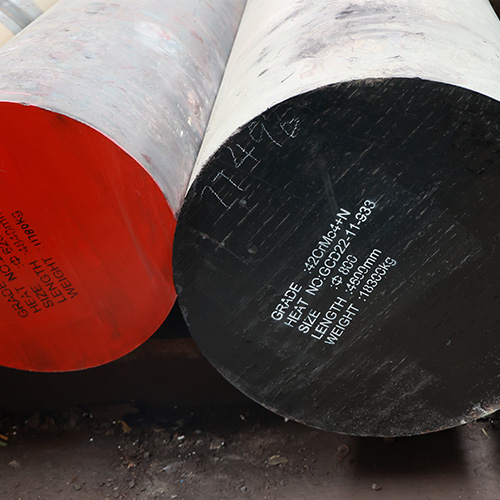
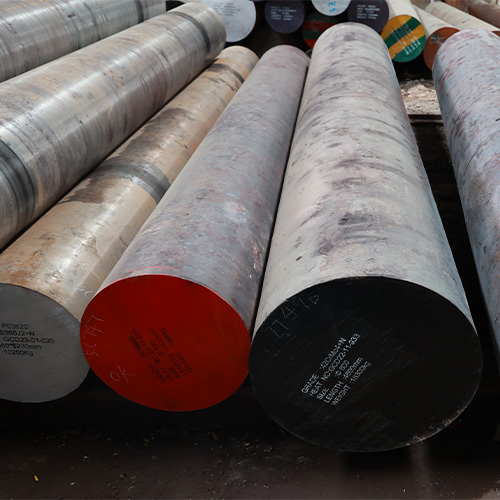
In the world of industrial materials, 4140 steel has earned a reputation as one of the most versatile and reliable alloys available. Known for its combination of strength, toughness, and resistance to extreme conditions, it is widely used across sectors like automotive, aerospace, and manufacturing. This low-alloy steel is particularly effective in applications that require high strength and durability, such as gears, shafts, and tools.
What makes 4140 steel stand out is its carefully balanced composition, which includes chromium and molybdenum. These elements provide enhanced mechanical properties, including excellent fatigue resistance, high tensile strength, and the ability to withstand high-impact loads. As a result, it is commonly used in critical components that need to perform reliably under stress.
Beyond its inherent strength, 4140 steel can also be heat-treated to meet the specific needs of different projects, giving it additional flexibility. Whether used in heavy machinery or precision tools, it offers a combination of durability and adaptability that few other materials can match.
In this blog, we will explore five key benefits of using 4140 steel and why it is an excellent choice for your next engineering project. By understanding its advantages, you can make an informed decision that enhances the performance and longevity of your products.
Benefits 1. Exceptional Strength and Durability
One of the most notable benefits of 4140 steel is its exceptional strength. This steel alloy is forged through a combination of chromium, molybdenum, and carbon, which provide it with enhanced strength and durability. 4140 steel has a tensile strength typically ranging from 95,000 psi to 125,000 psi, depending on the heat treatment and the exact composition. This makes it ideal for applications where high stress and impact resistance are crucial.
Applications in Heavy-Duty Industries
The high strength of 4140 steel makes it perfect for heavy-duty applications in industries such as:
- Automotive: 4140 steel plays a crucial role in the automotive industry, where it is used to manufacture high-performance components such as gears, axles, and shafts. These parts are essential for transmitting power and ensuring smooth operation under heavy loads and high speeds. The material’s strength and fatigue resistance make it ideal for components that must endure constant stress, vibration, and torque. Whether it’s in performance vehicles or heavy-duty trucks, 4140 steel ensures longevity and reliability, reducing the need for frequent replacements.
- Aerospace: In the aerospace sector, where safety and precision are paramount, 4140 steel is used to manufacture critical parts such as landing gears, turbine shafts, and structural components. These parts are subjected to high-stress cycles, extreme temperatures, and dynamic loads during takeoff, flight, and landing. The superior toughness and fatigue resistance of 4140 steel make it an optimal choice for such applications, providing the strength necessary to withstand the rigors of flight without compromising safety or performance.
- Oil and Gas: In the oil and gas industry, tools and machinery are often exposed to extreme conditions, including high pressures, abrasive environments, and temperature fluctuations. 4140 steel’s resistance to wear, corrosion, and impact makes it a reliable material for drilling tools, pipe fittings, valves, and downhole equipment. Its ability to maintain structural integrity under harsh conditions ensures that equipment performs effectively over long periods, reducing the risk of failures that could lead to costly downtime or safety hazards. Whether offshore or onshore, 4140 steel plays a vital role in keeping operations running smoothly.
This steel can withstand significant mechanical loads, ensuring that the components made from it perform reliably even under high-stress conditions. Whether it’s used for structural components or tools, 4140 steel delivers impressive performance.
Benefits 2. Superior Toughness and Impact Resistance
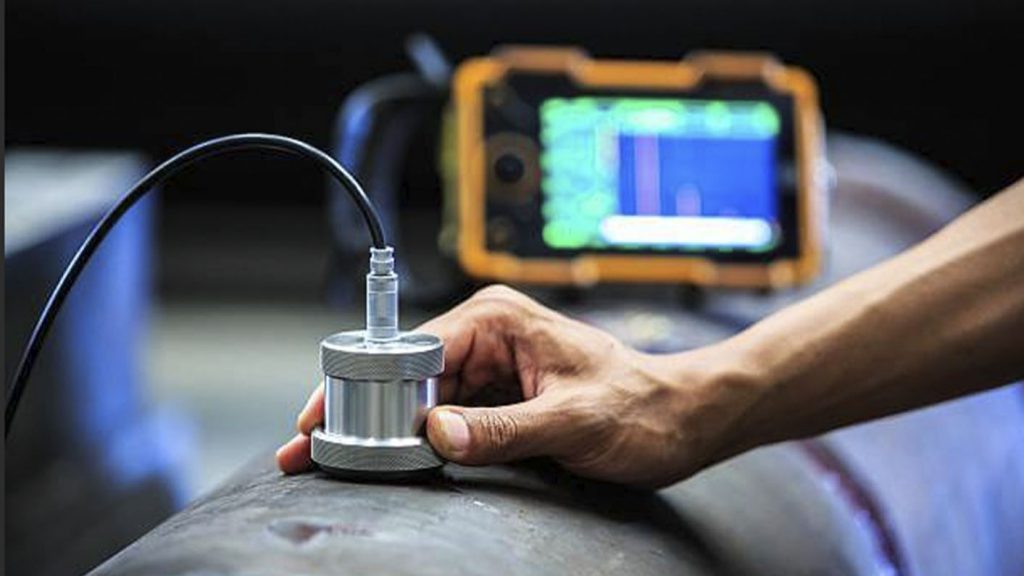
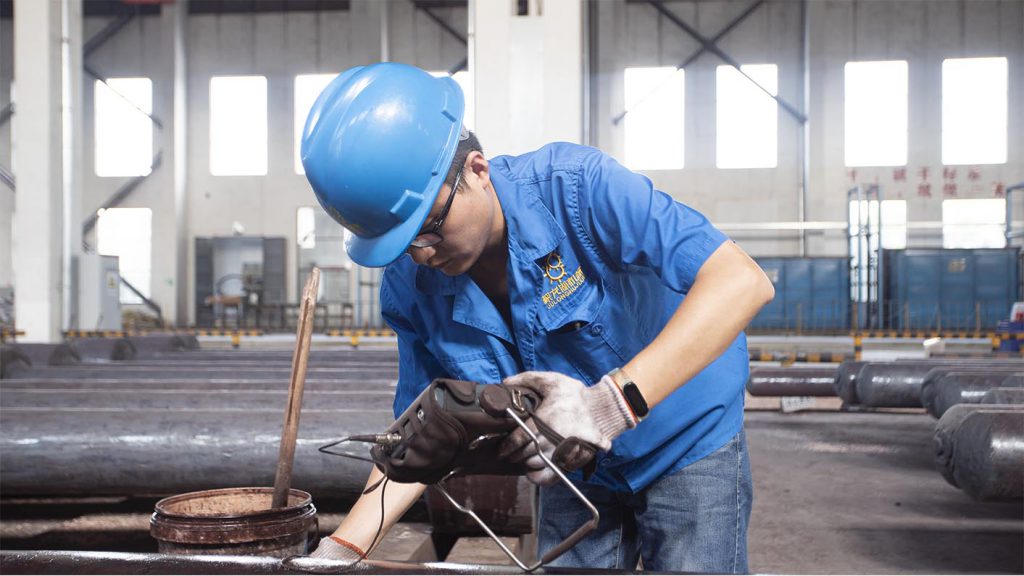
In addition to its strength, 4140 steel is known for its excellent toughness. Toughness refers to a material’s ability to absorb energy and resist fracture under stress, even at low temperatures. This makes 4140 steel particularly well-suited for use in environments that involve high-impact forces or sudden shocks.
Real-World Examples of Impact Resistance
- Automotive Crashes: In automotive safety, parts such as shock absorbers, crash bars, and axles made from 4140 steel provide enhanced impact resistance during collisions. The material’s ability to absorb and dissipate energy is crucial in reducing damage to both the vehicle and its occupants in the event of an accident. The toughness and strength of these components ensure that they can withstand the forces experienced during a crash, improving overall vehicle safety and performance. This makes 4140 steel a preferred choice in manufacturing critical safety features in modern automobiles, from everyday cars to high-performance models.
- Mining Equipment: In the mining industry, equipment is subjected to extreme wear, shock, and heavy-duty use, especially in harsh underground conditions. Tools like drill bits, mining rods, and other heavy machinery components benefit from the durability and impact resistance of 4140 steel. The material’s ability to handle high-stress environments without compromising its structural integrity ensures that mining equipment operates efficiently, even under intense conditions. The wear resistance and toughness of these components minimize maintenance needs, extend the lifespan of the tools, and ultimately improve productivity in the field.
The toughness of 4140 steel ensures that it maintains its integrity in challenging environments, preventing premature failure due to impact or stress fatigue.
Benefits 3. Excellent Heat Treatment Capabilities
Another key benefit of 4140 steel is its excellent response to heat treatment. 4140 steel can be heat-treated to enhance its hardness and wear resistance. This flexibility allows it to be tailored to specific requirements, whether for creating high-strength components or improving wear resistance for tools.
Heat Treatment Process and Benefits
- Quenching and Tempering: Heat treatment processes like quenching and tempering are key to enhancing the hardness and toughness of 4140 steel. During quenching, the material is rapidly cooled, locking in its strength and hardening its structure. Tempering then follows, relieving internal stresses and improving its ability to resist impact and wear. This combination results in a material that can endure the most demanding working conditions, such as those found in heavy machinery, automotive parts, and industrial tools. These processes ensure that the steel retains its toughness without becoming too brittle, offering the ideal balance of strength and durability for critical applications.
- Customized Hardness: The tempering process allows for precise control over the hardness of 4140 steel, making it highly customizable to meet specific application needs. By adjusting the temperature and duration of the tempering process, manufacturers can tailor the steel’s hardness to suit various requirements, whether for high-impact, high-fatigue, or wear-resistant conditions. This customization ensures optimal performance across a broad spectrum of industries, from construction and aerospace to manufacturing and automotive. Whether for parts that need to withstand extreme pressure or components requiring enhanced surface durability, the ability to fine-tune hardness gives engineers flexibility in achieving the best performance for their designs.
This ability to tailor the material’s properties through heat treatment is one of the reasons why 4140 steel is a preferred choice in industries where precision and reliability are paramount.
Benefits 4. Enhanced Wear and Abrasion Resistance
4140 steel’s ability to withstand wear and abrasion is another factor that makes it an ideal material for high-performance applications. When properly heat-treated, 4140 steel can develop excellent wear resistance, which is essential for components that are exposed to friction or abrasive environments.
Components Benefiting from Wear Resistance
- Machinery Parts: Tools, dies, and molds crafted from 4140 steel are known for their exceptional wear resistance, making them ideal for long-lasting performance in demanding industrial environments. The material’s strength allows it to withstand repeated use and high-impact forces without significant degradation. As a result, these components can operate for extended periods before needing replacement, reducing downtime and maintenance costs. Whether used in manufacturing processes, heavy-duty machinery, or precision tooling, this steel ensures that machinery parts remain effective and reliable over time, contributing to increased productivity and reduced operational expenses.
- Construction Equipment: Components such as shovel teeth, bulldozer blades, and mining tools made from 4140 steel are built to endure the harshest conditions, including abrasive surfaces, high-pressure environments, and constant wear. These parts are crucial for heavy-duty tasks in construction and mining, where equipment faces daily challenges in terms of impact and friction. The material’s toughness and resistance to wear ensure that it maintains its shape and function even when exposed to rugged terrain and demanding workloads. This makes it a preferred choice for construction and excavation tools, where reliability and long service life are essential for maintaining operational efficiency.
By reducing the need for frequent maintenance or replacement, 4140 steel can significantly lower operational costs while improving the overall efficiency and reliability of the equipment.
Benefits 5. Versatility Across Various Industries
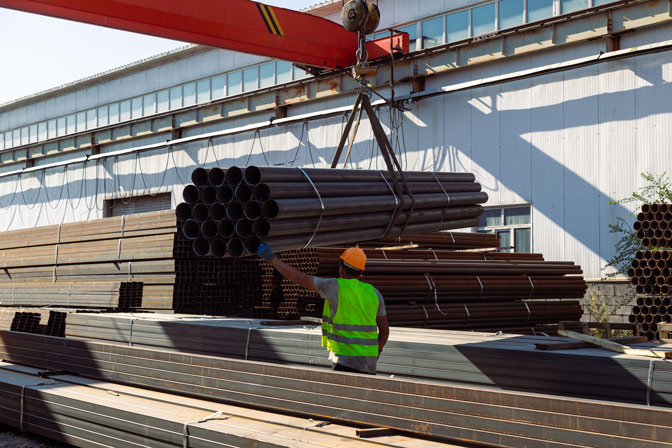
One of the biggest advantages of 4140 steel is its versatility. This alloy is used across a wide range of industries due to its balance of strength, toughness, and resistance to heat and wear. Whether you need a material for manufacturing precision tools or constructing robust components for heavy-duty machinery, 4140 steel can meet the needs of diverse applications.
Industries Benefiting from 4140 Steel
- Construction and Mining: In the construction and mining industries, tools, heavy equipment parts, and structural components made from high-strength steel are essential for withstanding the extreme conditions they are exposed to. These materials are used in machinery such as excavators, cranes, and drills, where durability is key to ensuring optimal performance. The high wear resistance and toughness of these materials ensure that parts like drill bits, bulldozer blades, and structural supports can endure the impact, abrasion, and stress of heavy-duty applications. This results in increased uptime and reduced maintenance costs, making the equipment more reliable in rugged environments.
- Automotive and Aerospace: Within the automotive and aerospace sectors, components such as engine parts, gears, and fasteners are subjected to high stress, temperature extremes, and constant mechanical fatigue. Materials with superior strength and resistance to wear are crucial in these applications to ensure both safety and long-lasting performance. For example, gears must withstand continuous rotational forces, while fasteners must maintain their integrity under high temperatures and vibrations. The ability of the steel to resist fatigue and wear makes it an ideal choice for these industries, where failure is not an option, and parts must perform consistently under demanding conditions.
- Manufacturing and Metalworking: In manufacturing and metalworking, precision tools, dies, and machined parts require materials that can endure high stresses and maintain sharpness over prolonged use. Steel that offers excellent hardness and wear resistance is used extensively for items such as cutting tools, molds, and dies. These components need to perform with high accuracy and durability, as they are often used in high-precision processes such as stamping, molding, and machining. The ability to retain a sharp edge and resist deformation during extensive use makes it a top choice for manufacturers looking to enhance productivity while reducing maintenance and tool replacement costs.
The adaptability of 4140 steel across multiple industries is a testament to its broad appeal as a material of choice for both heavy-duty and precision applications.
Table: Comparison of Key Properties
| Property | Value Range | Application Focus |
|---|---|---|
| Tensile Strength | 95,000 – 125,000 psi | Automotive, Aerospace, Heavy Equipment |
| Impact Toughness | High | Mining Tools, Automotive Parts |
| Hardness | 28 – 32 HRC (depending on heat treatment) | Manufacturing Tools, Gears, Dies |
| Wear Resistance | High | Machinery Parts, Mining Equipment, Dies |
| Fatigue Strength | High | Automotive, Aerospace, Oil & Gas |
Conclusion
In summary, 4140 steel stands out as a versatile and high-performing material, offering a unique combination of strength, toughness, heat treatment adaptability, wear resistance, and overall versatility. This alloy excels in industries that demand reliability and durability under extreme conditions. Whether you’re working in automotive manufacturing, aerospace engineering, oil and gas exploration, or construction, 4140 steel delivers superior performance that ensures your components and equipment can withstand even the harshest environments.
The material’s ability to be heat-treated for customized hardness and its resistance to both wear and fatigue make it an invaluable asset in a wide array of applications, from heavy machinery to precision-engineered parts. By incorporating 4140 steel into your next project, you are not only securing a high level of performance but also investing in long-term durability and cost-effectiveness. The material’s toughness reduces the need for frequent replacements, saving on maintenance and operational costs, while its adaptability ensures that it meets the specific demands of your industry. Ultimately, choosing 4140 steel is a decision that offers lasting value and enhanced performance for your equipment and products.
FAQ
Q1. What industries benefit most from using 4140 steel?
4140 steel is widely used in industries such as automotive, aerospace, oil and gas, mining, and construction due to its high strength, durability, and wear resistance. In the automotive sector, it’s commonly found in components like gears, axles, and suspension parts. In aerospace, it’s used for turbine shafts and landing gears, where fatigue resistance is critical. The oil and gas industry relies on 4140 steel for drill bits, pressure vessels, and downhole tools, while the mining and construction industries use it in equipment like drills and bulldozer blades, which require toughness and impact resistance.
Additionally, 4140 steel is essential in manufacturing tools, gears, and shafts that need to withstand harsh conditions. Its versatility makes it a reliable material for many high-performance applications.
Q2. Can 4140 steel be used for high-temperature applications?
Yes, 4140 steel performs well in high-temperature environments. It can withstand temperatures up to around 800°F (427°C) before its mechanical properties start to degrade. However, for even higher temperatures, specialized heat-resistant alloys might be required.
Q3. How does heat treatment affect the properties ?
Heat treatment can significantly enhance the hardness and strength of 4140 steel, making it more resistant to wear and impact. Processes like quenching and tempering adjust its hardness to meet specific application needs, offering flexibility in its use.
Q4. Is 4140 steel corrosion-resistant?
4140 steel does offer some level of corrosion resistance, but it is not as resistant as alloys like 316 stainless steel. It is best used in environments where corrosion resistance is not the primary concern, or when additional protective coatings are applied.
Q5. What are the common uses ?
4140 steel is widely used for manufacturing gears, axles, shafts, crankshafts, and other components that need to withstand high mechanical stresses. It is also used in tooling applications, such as dies, drills, and cutting tools, due to its excellent toughness and wear resistance.